

TL;DR: Your Website Traffic Isn't Enough. You Need a Sales Funnel.
This article dives deep into the types of sales funnels you can build to turn curious visitors into paying customers. I'll show you how to pick the right one for your business and why it matters.
Here are three big takeaways:
- Not all funnels are created equal: The right funnel depends on your product's price point and complexity. What works for a $7 ebook won't work for a $2,000 coaching program.
- Funnels build on each other: Start simple, get a win, and then layer on more sophisticated strategies. You don't need to master them all at once.
- Automation is your best friend: Many of these funnels can be automated to work for you 24/7, turning your website into a tireless salesperson.
If you're tired of traffic that doesn't convert, keep reading. I'll show you how to build a clear path to reliable revenue.
It’s an incredible feeling, isn’t it? Watching your website traffic numbers climb. You see those analytics, and for a moment, you think, “I’ve cracked it!”
I remember that rush myself. My traffic was taking off, but my sales? They were… not. I had this vague hope that people would land on a blog post, magically find my products, and decide to buy. I’d planned for traffic, but I hadn’t planned for success.
And that’s the real difference between a website and a business. A website gets visitors; a business gets customers.
This is where understanding the different types of sales funnels comes in. A sales funnel is your deliberate plan for success, not just a marketing buzzword. It’s the guided tour you create to turn a curious visitor into a happy customer, and it’s arguably the most important system you can build for your brand.
But here’s what I learned quickly: not all funnels are created equal. The simple path you build to sell a $7 ebook will absolutely fall apart if you try to use it for a $2,000 coaching program.
So, how do you choose the right one?
Think of this page as your blueprint directory. I’m going to break down the 9 most powerful and proven sales funnel models. Find the one that fits your offer, and you’ll have a clear path to turning that hard-won traffic into reliable revenue.
If you're just starting out and want to grasp the basics, diving into Sales Funnel 101 is a great next step.
So, What Exactly is a Sales Funnel?
Before we dive into the specific types of sales funnels, let's get on the same page about what a sales funnel actually is. It’s a term thrown around a lot, but its core meaning is surprisingly simple and incredibly powerful for any business owner.
At its heart, a sales funnel is simply the journey your potential customer takes with your business, from their very first interaction with you all the way to becoming a paying customer and, ideally, a repeat buyer. It’s a strategic, step-by-step process designed to guide people through your offers.
I like to think of it like this: imagine you own a physical store. You wouldn't expect someone to walk in off the street and immediately buy your most expensive item. First, they might browse the window display (awareness), then step inside and look around (interest), maybe pick up a product and read the label (desire), and then decide to buy it (action). A sales funnel is just the digital version of that thoughtful, guided experience.
The Stages of a Sales Funnel
While the exact names might vary, most sales funnels follow a similar progression:
- Awareness: This is where potential customers first discover you. They see an ad, read a blog post, or hear about you from a friend. They're just becoming aware that they have a problem and that you might have a solution.
- Interest: Once aware, they start looking for more information. They visit your website, read more of your content, or sign up for your newsletter. They're actively showing interest in what you offer.
- Decision: At this stage, they're weighing their options. They compare your solution to others, read reviews, and try to decide if you're the right fit. They're close to making a decision.
- Action (or Purchase): This is the moment they become a customer. They buy your product, sign up for your service, or book a consultation. They've taken the action you wanted them to.
- Loyalty/Advocacy: A good sales funnel doesn't end at the sale. It aims to turn customers into repeat buyers and even enthusiastic advocates who spread the word about your business.
The goal of any sales funnel is to move people smoothly and intentionally from one stage to the next, converting them into customers along the way. Without a clear funnel, you’re just hoping people figure it out on their own, and hope isn't a business strategy.
And if you're building all this on WordPress, you'll definitely want to know why it's the best platform for your funnels.
Don’t Get Overwhelmed: How Funnels Build on Each Other
Before you dive into the library of types of sales funnels, let’s get one thing straight: you don’t need to master all nine of these at once. That's a recipe for burnout, not business growth. Think of this as a learning path, a progression. The skills and assets you gain from building one funnel directly transfer to the next.
- Master the Lead Magnet Funnel, and you’ve already built the front-end of a Tripwire Funnel.
- Perfect a Tripwire Funnel, and you’ve learned the sales psychology needed for a Product Launch Funnel.
- Run a Product Launch Funnel, and you have all the content you need to create an Evergreen Funnel.
Start with the first one, get a win, and then graduate to the next level. You’ve got this.
Which of the Types of Sales Funnels is Right for You?
Funnel Model | Primary Goal | Typical Price Point | Best For... |
|---|---|---|---|
Lead Magnet | Generate Leads | Free | Beginners & Trust-Building |
Tripwire | Make a First Sale | $7 - $47 | Validating Offers & Products |
Webinar | Sell High-Ticket | $497 - $1,997+ | Course Creators & SaaS |
Product Launch | Drive Urgent Sales | $97 - $997 | New Products & Memberships |
Evergreen | Automate Sales | $47 - $497 | Creating Passive Income |
High-Ticket | Book Sales Calls | $2,000+ | Coaches & Agencies |
Quiz | Segment Your Audience | Varies | E-commerce & Personal Brands |
Cancellation | Reduce Churn | N/A | Subscription Businesses |
E-commerce | Increase Order Value | Varies | Physical Product Sellers |
To make building these journeys easier, you'll want to check out the best sales funnel builders available.
1. The Lead Magnet Funnel
This is the quintessential starting point. The bread and butter. The friendly handshake that starts a conversation. The Lead Magnet Funnel focuses on earning the right to make a sale tomorrow, not making a sale today. It's often the first step in building a relationship with a potential customer, offering value upfront without asking for a financial commitment.
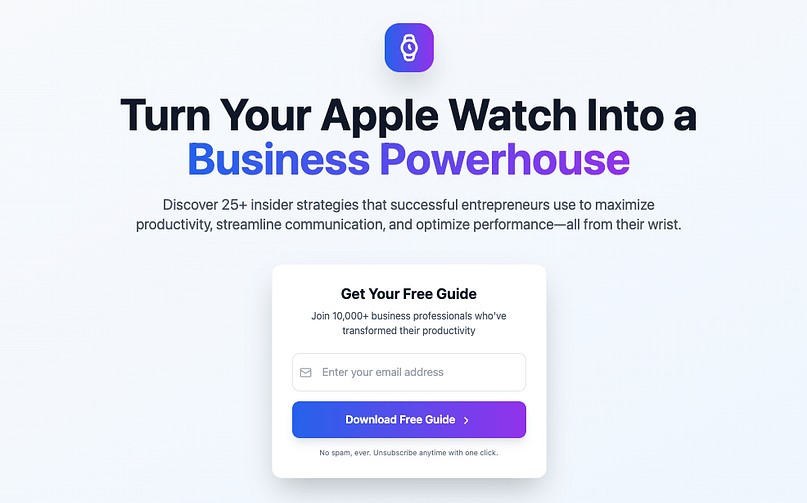
My first attempt at this was a disaster. I built a simple landing page (often called a "squeeze page") and honestly thought my offer was so brilliant that people should be lining up to give me their contact details just for the privilege of finding out what it was. The result? Crickets.
(By the way: it's easy to confuse these with sales pages, but knowing the difference between a squeeze page and a sales page is key to your funnel's success.)
I’d made the classic mistake: I focused on what I wanted (their email), not what they needed (a solution).
What it is:
A simple funnel where you offer a piece of incredibly valuable content (like a guide, checklist, or template) for free in exchange for an email address. This requires a powerful way to design and display your opt-in forms, which is where a dedicated list-building plugin like Thrive Leads becomes essential.
When to Use This Funnel:
If your customers don't buy within the first 5 minutes, you need this. It's perfect for B2B businesses, coaches, consultants, and anyone selling something that requires a bit of trust and relationship-building before a purchase.
How to Build a Lead Magnet Funnel:
- Identify a "Hair-on-Fire" Problem: What's the #1 most pressing issue your ideal customer is facing right now?
- Create a Quick-Win Solution: Develop a free resource (your lead magnet) that solves a small piece of that problem quickly. Think a 2-page checklist, a short video tutorial, or a simple template.
- Design a Dedicated Landing Page: This page should clearly explain the benefit of your lead magnet and have a prominent opt-in form. Keep it focused – no distractions.
- Set Up Delivery: Once they opt-in, automatically deliver the lead magnet (via email or a thank you page).
- Start the Conversation: Follow up with a short, value-driven email sequence to build rapport.
Key Components of a Lead Magnet Funnel:
- Traffic Source: Blog posts, social media, ads, podcasts.
- Landing Page: A dedicated page with a clear headline, benefits, and an opt-in form.
- Lead Magnet: The free, valuable resource.
- Email Marketing System: To deliver the magnet and send follow-up emails.
- Thank You Page: Confirms the opt-in and provides immediate access or instructions.
This funnel is essentially the foundation for a solid lead generation strategy, and you can learn how to create a complete lead generation funnel step-by-step.
2. The Tripwire Funnel
A lead is good, but a buyer is better.
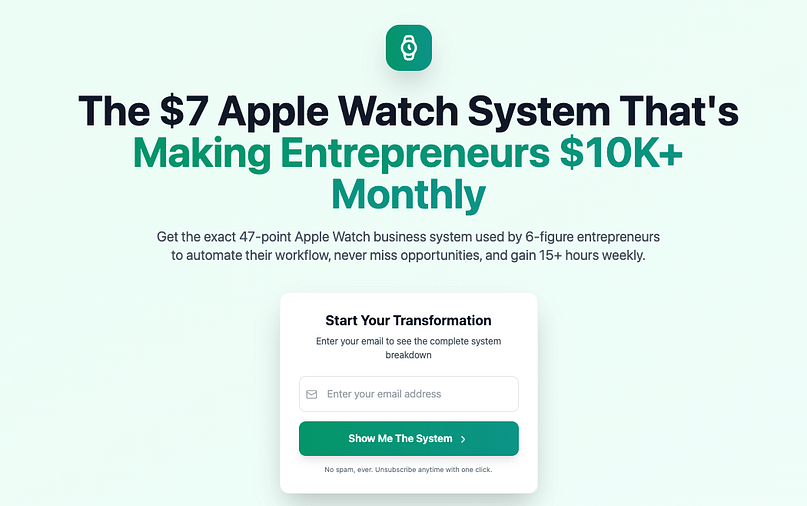
The Tripwire Funnel is built on a simple premise: the hardest sale to make is the first one. By making that first transaction an absolute no-brainer, you can turn a prospect into a customer instantly and build a list of proven buyers. This funnel lowers the barrier to entry and gets someone to commit a small amount of money, which then opens the door to larger sales.
What it is:
A funnel that starts with an irresistible, low-cost initial offer (the "tripwire," usually $7-$47) designed to get a quick sale. Immediately after the purchase, it presents a higher-priced upsell, capitalizing on the buyer's momentum.
When to Use This Funnel:
It's excellent for selling digital products, validating a new offer, and quickly building a list of people who have actually spent money with you. It’s a smart way to have your customer acquisition costs pay for themselves.
How to Build a Tripwire Funnel:
- Develop a "Quick Win" Product: Brainstorm a small, high-value product you could sell for $7-$27 that gives a 'quick win' related to your core offer. Think templates, a mini-course, or a premium guide. This is the core of your tripwire.
- Create a Squeeze Page: This page introduces the tripwire offer, highlights its benefits, and leads to an order form.
- Design a One-Click Upsell: Immediately after the tripwire purchase, present a slightly higher-priced, complementary offer. The key here is a one-click purchase to maintain momentum.
- Set Up Order Confirmation: A thank you page confirming both the tripwire and any upsell purchases.
Key Components of a Tripwire Funnel:
- Traffic Source: Ads, email list segments, blog post CTAs.
- Squeeze Page: A concise sales page for the tripwire product.
- Order Form: Simple and clear.
- Tripwire Product: The low-cost, high-value initial offer.
- Upsell Page: Presents a related, higher-value offer after the initial purchase.
- Order Confirmation Page: Confirms the transaction and delivers access.
If you're ready to dive deeper into this strategy, we've got a whole guide on how to create a tripwire funnel that makes more sales.
3. The Webinar Funnel
When your product is complex or your price tag is high, you need more than a simple sales page. You need to teach, to build trust, and to handle objections in a more personal way. The Webinar Funnel is your digital stage, allowing you to build authority, demonstrate value, and connect with your audience in real-time or through automated replays.
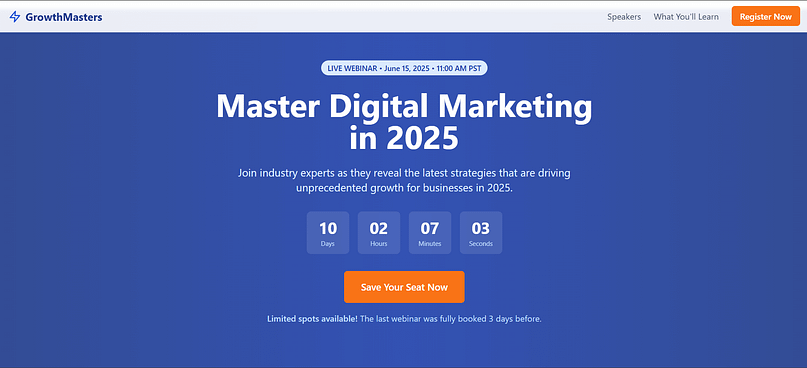
It's no surprise that 73% of B2B marketers say webinars are the best way to generate high-quality leads. This funnel excels at providing a deeper dive into your expertise and building a stronger connection before asking for a significant investment.
What it is:
A funnel that uses a live or automated video presentation to educate an audience in-depth before presenting a high-value offer. It’s a powerful way to deliver significant value upfront, answer questions, and build a strong connection with potential buyers.
When to Use This Funnel:
This funnel works wonders for high-ticket courses, coaching programs, software demos, and complex products that require detailed explanation and a deeper level of trust before someone commits to buying.
How to Build a Webinar Funnel:
- Choose a Compelling Topic: Select a topic that genuinely helps your audience solve a problem, and that naturally leads into your paid offer.
- Create a Registration Page: Design a page that clearly outlines the webinar's benefits and includes a form for sign-ups.
- Set Up Reminder Emails: Send a series of emails leading up to the webinar to maximize attendance.
- Deliver a High-Value Presentation: Teach, inspire, and build authority. Save your offer for the end.
- Integrate Your Sales Offer: Present your product or service as the natural next step for those who want to go deeper.
- Direct to Checkout: Guide attendees to a dedicated sales page and checkout.
Key Components of a Webinar Funnel:
- Ad/Email Campaigns: To drive traffic to the registration page.
- Webinar Registration Page: Captures sign-ups.
- Confirmation/Reminder Emails: Boosts attendance.
- Live or Automated Webinar Platform: To host the presentation.
- Sales Offer: Presented during or immediately after the webinar.
- Checkout Page: For processing payments.
Real-World Example:
A digital marketing agency could host a webinar titled "The 2025 SEO Playbook: How to Rank #1 on Google." They provide an hour of actionable tips and case studies, then close with an exclusive offer for a free, personalized SEO audit for the first 10 attendees who book a call. This provides immense value and then a clear next step for qualified leads.
If you're looking to implement this powerful strategy, our blueprint on how to create a webinar funnel on WordPress is exactly what you need.
4. The Product Launch Funnel
Nothing creates a buying frenzy like scarcity and anticipation.
The Product Launch Funnel turns your product release from a simple announcement into a major event, building a wave of excitement that crests on opening day. This isn't just about selling; it's about creating an experience that makes people want to be part of something special.
What it is:
An event-based sequence of content (emails, videos, social media posts) that builds anticipation and desire before opening a product "cart" for a limited time. Displaying authentic scarcity with dynamic countdown timers is key, and a tool like Thrive Ultimatum is designed specifically to manage these event-based campaigns.
When to Use This Funnel:
This is your go-to for launching new products, opening enrollment for courses or memberships, and running seasonal promotions where a limited-time offer makes sense.
How to Build a Product Launch Funnel:
- Plan Your Pre-Launch Content: Create a series of valuable, free content (e.g., a 3-part video series, a mini-training) that educates your audience and hints at your upcoming solution.
- Build an Anticipation List: Use a lead magnet funnel to gather emails of people interested in the upcoming launch.
- Run a Pre-Launch Email Sequence: Send emails leading up to the cart opening, delivering your pre-launch content and building excitement.
- Open the Cart: Direct people to a compelling sales page when the product is available.
- Create Urgency: Use countdown timers and clear messaging about the limited availability or special launch pricing.
- Follow Up: Send reminder emails during the open cart period.
Key Components of a Product Launch Funnel:
- Pre-Launch Content: Videos, blog posts, social media teasers.
- Opt-in Page: To build a "launch list."
- Pre-Launch Email Sequence: Delivers content and builds anticipation.
- Sales Page: Where the product is presented and sold.
- Checkout Page: For processing payments.
- Urgency Elements: Countdown timers, limited-time bonuses.
Your First Step:
Plan a 3-part video or email series that teaches something valuable related to your product. Each piece should solve a small problem while teasing the full solution your product provides. This builds trust and anticipation for the big reveal.
Learn how to create that launch buzz with our guide on using a product launch funnel.
If you're ready to dive deeper and implement this powerful strategy, here's a detailed guide on how to create a product launch funnel that delivers results.
5. The Evergreen Funnel
A live launch is powerful, but it's also exhausting. What if you could capture that same energy and automate it? That’s the magic of the Evergreen Funnel—your 24/7 automated salesperson, working for you around the clock. It's about setting up a system that continuously attracts, nurtures, and converts leads without requiring your constant, direct involvement.
What it is:
An automated, "always on" sales funnel that nurtures and converts leads around the clock. It typically uses email automation and pre-recorded content to sell a product without a fixed launch date, often using personalized deadlines to create urgency that feels authentic to each new subscriber.
When to Use This Funnel:
This is ideal for selling your core products continuously, creating passive income streams, and converting leads who weren't ready to buy during a live launch. It’s about consistent, automated sales.
How to Build an Evergreen Funnel:
- Repurpose Your Best Content: Take your best-performing content from a past live launch—the emails, the videos, the case studies—and repurpose it into an automated email sequence for new subscribers.
- Set Up an Automated Trigger: This funnel kicks off when someone opts into a specific lead magnet or joins a particular email list.
- Craft an Automated Sequence: Design a series of emails that deliver value, build desire, and present your offer over a set period.
- Integrate Personalized Urgency: Use tools that can create dynamic, personalized deadlines for each new subscriber, making the offer feel unique to them.
- Direct to Sales Page: Link to a dedicated sales page for your product.
Key Components of an Evergreen Funnel:
- Traffic Source: Ads, organic search, content marketing.
- Opt-in Page: To capture new leads.
- Automated Email Sequence: Delivers content and the sales offer.
- Pre-recorded Content: Videos, training modules.
- Sales Page: Where the product is sold.
- Personalized Urgency Tool: To create unique deadlines.
Your First Step:
Take your best-performing content from a past live launch—the emails, the videos, the case studies—and repurpose it into an automated email sequence for new subscribers.
If you're keen on setting up a sale that runs on autopilot, you'll love our guide on how to create an evergreen funnel.
6. The High-Ticket Coaching Funnel
When you’re asking for a four-figure investment, you can’t just use a "buy now" button.
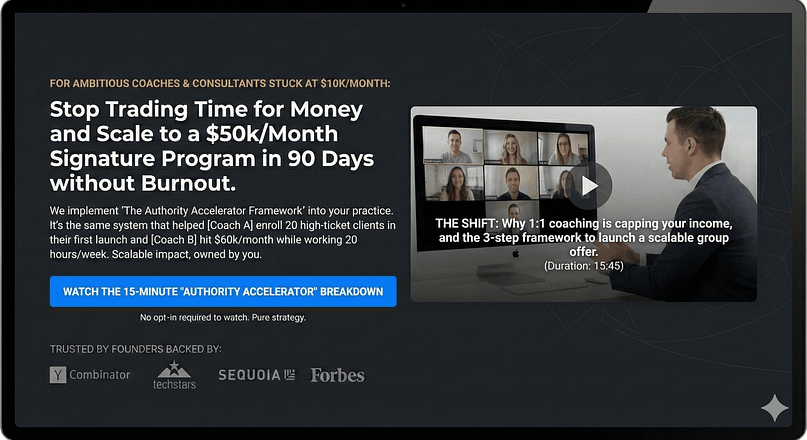
You need a funnel built on two things: massive trust and careful qualification. This isn't a quick sale; it's a strategic process of building rapport and ensuring mutual fit for a significant commitment.
I learned this the hard way. Early on, I cast the widest net possible, thinking every lead was a good lead. This led to a calendar full of calls with people who weren't a good fit. They didn't have the budget, or they were just kicking tires. It was exhausting, and frankly, a waste of everyone's time.
This funnel is your bouncer. Its job is to politely turn away the people who aren't a good fit so you can focus all your energy on those who are genuinely ready and able to invest. Responding to a lead within five minutes makes them 21 times more likely to convert, so this funnel makes sure you're only spending that critical time with the right people.
What it is:
A funnel designed to build massive authority and filter for serious clients before prompting them to book a one-on-one consultation or sales call. It's about pre-qualifying leads to make sure your valuable time is spent with those most likely to convert.
When to Use This Funnel:
This is essential for consultants, agencies, coaches, and anyone selling a premium, high-touch service where a direct conversation is necessary to close the sale.
How to Build a High-Ticket Coaching Funnel:
- Establish Authority Content: Create case studies, in-depth guides, or mini-trainings that showcase your expertise and results.
- Offer a Value-Driven Lead Magnet: Something that attracts your ideal high-ticket client.
- Develop an Application Form: This is the qualification gate. Ask detailed questions about their goals, challenges, and budget. Be clear that this isn't a free coaching call, but a discovery session for mutual fit.
- Review Applications: Manually or automatically filter out those who aren't a good fit.
- Provide a Booking Page: For qualified leads, offer a simple way to schedule a call directly with you.
- Conduct the Sales Call: Focus on understanding their needs and presenting your solution as the answer.
Key Components of a High-Ticket Coaching Funnel:
- Traffic Source: Thought leadership content, speaking engagements, referrals, targeted ads.
- Case Study/Lead Magnet Page: Builds credibility and attracts ideal clients.
- Application Form: The critical qualification step.
- Booking Page: For scheduling calls.
- CRM System: To manage leads and appointments.
- Sales Call: The personal interaction where the sale is made.
Real-World Example:
A custom home builder uses a "Book a Project Consultation" funnel. The landing page showcases their impressive portfolio and client testimonials. The booking form asks qualifying questions like "What is your estimated budget?" and "What is your ideal project timeline?" to make sure the sales team only spends time with serious, well-matched prospects, not just dreamers.
If you're looking to dive deeper into how to structure these premium offerings, you might find our guide on building a high-ticket coaching funnel particularly helpful.
7. The Quiz Funnel
People love to learn about themselves.
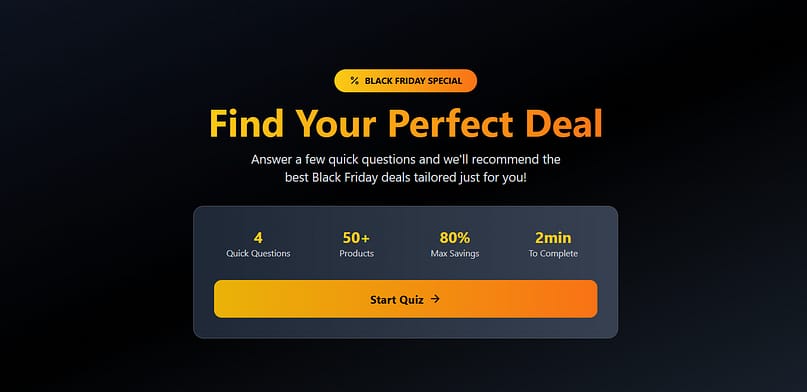
A Quiz Funnel taps into this desire, turning passive browsing into an active, engaging experience that delivers personalized results and perfectly segmented leads. It's a fantastic way to make your marketing feel less like marketing and more like a helpful interaction, while also gathering valuable data about your audience.
What it is:
An interactive funnel that engages users with a quiz. The magic happens when the quiz not only entertains but also segments users based on their answers, allowing you to present highly relevant offers. Creating an engaging quiz that segments users and shows the right offer is a complex task, which is why we built a dedicated tool, Thrive Quiz Builder, to handle all the logic smoothly inside WordPress.
When to Use This Funnel:
This is a powerhouse for e-commerce, personality-driven brands, coaches, and any business that can benefit from deep audience segmentation. It's also great for generating leads for complex products by helping people self-diagnose their needs.
How to Build a Quiz Funnel:
- Choose an Engaging Quiz Topic: Something that resonates with your audience and relates to your products. "What's Your [Problem] Style?" or "Discover Your Perfect [Solution]" are good starting points.
- Create the Quiz Questions: Design questions that not only provide interesting results but also gather information useful for segmentation.
- Set Up Opt-in for Results: Ask for an email address to deliver the quiz results, turning a quiz-taker into a lead.
- Design Personalized Results Pages: Based on their answers, show them a custom results page that speaks directly to their needs.
- Integrate a Tailored Offer: On the results page, present a product or service that is the perfect solution for their specific quiz outcome.
Key Components of a Quiz Funnel:
- Traffic Source: Social media, ads, blog posts.
- Quiz Landing Page: Introduces the quiz and encourages participation.
- Quiz Questions: The interactive element.
- Opt-in Form: To capture email addresses for results delivery.
- Personalized Results Pages: Dynamically generated based on quiz answers.
- Targeted Offer: A product or service recommended based on their results.
Real-World Example:
Beauty brand Ipsy uses a "Get to Know You" quiz to discover a customer's skin type, makeup preferences, and style. This allows them to offer a personalized subscription box, making the customer feel understood and catered to from the very first interaction, leading to higher satisfaction and retention.
Ready to put this powerful strategy into action? Here's how to create a quiz funnel that segments your audience and drives conversions.
8. The Cancellation Funnel
You’ve worked hard to win a customer. Don’t let them leave without a conversation. The Cancellation Funnel is your last line of defense, designed to understand why a customer is leaving and make a targeted offer to convince them to stay.
This is critical, as acquiring a new customer is 5 to 25 times more expensive than keeping an existing one. It's an often-overlooked but incredibly valuable funnel for long-term business health.
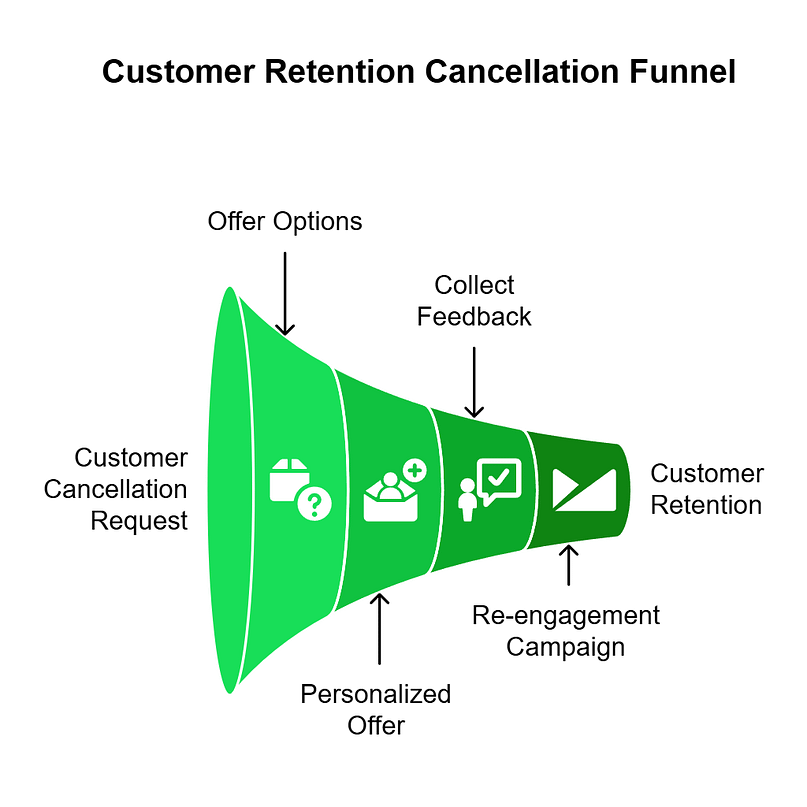
What it is:
A "retention" funnel triggered when a customer tries to cancel a subscription. It presents tailored solutions (like a discount, a plan pause, or a feature reminder) to reduce churn and save valuable customers.
When to Use This Funnel:
This is a must-have for SaaS companies, membership sites, and any subscription-based business. It's about proactively addressing customer concerns before they walk out the door.
How to Build a Cancellation Funnel:
- Identify the Cancellation Trigger: When a user clicks "Cancel" or initiates the cancellation process.
- Implement a "Reason for Leaving" Survey: Ask specific questions about why they are canceling. Provide multiple-choice options (e.g., "too expensive," "not using it enough," "missing a feature").
- Create Targeted Retention Offers: Based on their selected reason, present a relevant solution. If it's price, offer a discount. If it's lack of use, suggest pausing their subscription or highlight underutilized features.
- Provide a Clear Path to Reconsider: Make it easy for them to accept the offer and stay.
- Confirm Cancellation (if necessary): If they still proceed, confirm the cancellation clearly and politely.
Key Components of a Cancellation Funnel:
- Cancellation Trigger: The user action that starts the funnel.
- Exit Survey: Gathers feedback on cancellation reasons.
- Dynamic Offers: Tailored retention offers based on survey responses.
- Option to Pause/Downgrade: Alternatives to full cancellation.
- Confirmation Page: For successful retention or confirmed cancellation.
Real-World Example:
A streaming service, upon a user clicking "Cancel Subscription," asks for the reason. If the user selects "It's too expensive," the funnel automatically presents a one-time offer for 50% off the next three months. If they select "Not enough content," it might highlight recently added popular shows they haven't watched.
9. The E-commerce Funnel
For an online store, the game isn't just about making a sale; it's about increasing the Average Order Value (AOV) and getting customers to buy more. The E-commerce Funnel is a system of offers designed to do exactly that, turning a simple purchase into a more profitable transaction. It also uses retargeting ads to bring back indecisive shoppers—a tactic that makes visitors 70% more likely to convert. This funnel optimizes every step of the buying process to maximize revenue from each customer.
What it is:
A funnel optimized for online stores, focusing on moving a customer from a product page to checkout with opportunities for order bumps (a small, one-click offer at checkout) and upsells (a higher-priced offer after the initial purchase). It’s about maximizing the value of every customer.
When to Use This Funnel:
This is indispensable for any business selling physical products online (e.g., via Shopify, WooCommerce) or even digital products in a store-like environment.
How to Build an E-commerce Funnel:
- Improve Product Pages: Make sure your product pages are compelling, with clear descriptions, high-quality images, and social proof.
- Add Order Bumps: On the checkout page, offer a small, complementary item as a one-click add-on.
- Design Post-Purchase Upsells: Immediately after a customer completes their purchase, present a higher-priced, related product as a one-time offer.
- Set Up Abandoned Cart Recovery: Automatically email customers who add items to their cart but don't complete the purchase.
- Use Retargeting Ads: Show ads to people who visited your site but didn't buy, reminding them of your products.
Key Components of an E-commerce Funnel:
- Product Pages: Detailed descriptions and visuals.
- Add-to-Cart Functionality: Simple and intuitive.
- Checkout Page: Optimized for speed and trust.
- Order Bumps: Small, complementary offers on the checkout page.
- Post-Purchase Upsell Pages: Higher-value offers after the initial sale.
- Abandoned Cart Emails: Automated reminders.
- Retargeting Ads: To re-engage interested visitors.
Your First Step:
Look at your best-selling product. Now, identify a low-cost, complementary item you could offer as a one-click "Order Bump" on your checkout page. This is the simplest way to start increasing your AOV today.
Must-Have Tools and Software for Building Sales Funnels
Building effective sales funnels doesn't mean you need a team of developers or a massive budget. There are fantastic tools available that make it accessible for almost any business. Think of these as your digital toolkit, each designed to help you execute specific parts of your funnel strategy efficiently.
- Website & Landing Page Builders: You need a place to send traffic and capture information.
- Thrive Themes (Thrive Architect & Thrive Leads): I'm biased, of course, but our tools are designed specifically for conversion-focused websites and funnels. Thrive Architect lets you build beautiful, high-converting landing pages without code, and Thrive Leads handles all your opt-in forms and lead magnet delivery.
- WordPress: The foundation for many successful sites, offering flexibility and control.
- Other Options: ClickFunnels, Leadpages, Unbounce.
- Email Marketing Platforms: Essential for nurturing leads, delivering lead magnets, and running automated sequences.
- ActiveCampaign: Powerful automation and segmentation.
- ConvertKit: Great for creators and course sellers, focusing on audience building.
- MailerLite: User-friendly and affordable for beginners.
- Other Options: Brevo, HubSpot, Drip.
- CRM (Customer Relationship Management) Systems: For managing leads, tracking interactions, and organizing your customer data, especially important for high-ticket funnels.
- HubSpot CRM: Free tier is solid, scalable for larger teams.
- Pipedrive: Visually intuitive for sales teams.
- Other Options: Salesforce, Zoho CRM.
- Webinar Platforms: If you're running webinar funnels.
- Zoom Webinar: Widely used and reliable.
- Demio: Focuses on ease of use and engagement.
- EverWebinar: For automated, evergreen webinars.
- Quiz Builders: For engaging quiz funnels.
- Thrive Quiz Builder: Our dedicated tool for creating smart, segmented quizzes directly in WordPress.
- Interact: Popular for personality quizzes.
- Scarcity & Urgency Tools: For product launch and evergreen funnels.
- Thrive Ultimatum: Our solution for creating dynamic countdown timers and evergreen scarcity campaigns.
- Deadline Funnel: Integrates with many platforms for personalized deadlines.
- Analytics & Tracking: To understand how your funnels are performing.
- Google Analytics: Free and powerful for website traffic.
- Your Email Platform's Analytics: For email performance.
- Your Payment Processor's Reports: For sales data.
The key is to start simple. You don't need every tool on this list from day one. Pick the funnel that makes the most sense for your immediate goal, and then choose the essential tools to get it set up. As you grow, you can add more sophisticated elements.
Ad Break: Ready to Build Your Funnels Smarter, Not Harder?
I've talked a lot about the different types of sales funnels and the tools you need. But let's be honest, piecing together a dozen different plugins and services can feel like herding cats. You spend more time troubleshooting integrations than you do actually building your business.
That's why I'm so passionate about Thrive Suite!
We built Thrive Suite to be the all-in-one toolkit for conversion-focused businesses. Imagine having a powerful visual website builder, a dedicated landing page creator, a smart email list builder, a quiz builder, and even tools for scarcity and urgency—all designed to work together perfectly, right inside your WordPress site.
You get to focus on your strategy, your message, and your customers, not on wrestling with tech. It's about giving you the power to build any of these funnels (and combine them!) with confidence, knowing that every piece of the puzzle is engineered for growth.
Stop patching together solutions and start building a cohesive, high-converting business. Learn more about Thrive Suite and see how it can simplify your funnel building.
Frequently Asked Questions About Sales Funnels
This section covers some of the most common questions I hear about types of sales funnels. Getting clear on these points can help you avoid common pitfalls and move forward with confidence.
I always recommend starting with the Lead Magnet Funnel. It's simple to set up, focuses on the most important first step—building an email list—and establishes trust. Once you've mastered that, the Tripwire Funnel is a great next step to start generating actual buyers.
Your Next Steps
I know that was a lot to take in, but I hope it’s given you a clearer picture of the different types of sales funnels and how they can work for your business. The goal here isn't to build all nine of these tomorrow. It's to pick one, the one that aligns with your current goals and offers, and get it working.
You don't need to be a marketing genius to make this happen. You just need a plan, the right tools, and a willingness to test and adjust.
So, take a moment. Look at your main offer, your audience, and your current business goals. Which of these funnels feels like the most natural fit? Which one will give you that first, crucial win?
Once you have that in mind, you're ready to start building. And remember, I'm here to help you make those smart next steps.


